




Your cart is currently empty.
Buy 2 E-Bikes → FREE Trailer or Hitch Rack

SEO focus: best e-bike for hills, electric bike torque, hill climbing e-bike, fat tire e-bike, battery range, and commuter climbing performance.
If your commute includes hills, choosing an e-bike becomes more serious. A flat-road electric bike may feel quick during a short test ride, but climbing exposes weaknesses quickly. Hills demand motor support, battery capacity, traction, gearing, braking control, and heat management. That is why shoppers looking for the best e-bike for hills should look beyond top speed.
Top speed is easy to market. Climbing confidence is more important in daily riding. A strong hill-climbing e-bike should help riders start smoothly, maintain steady assist, keep traction, manage battery use, and descend safely after the climb.
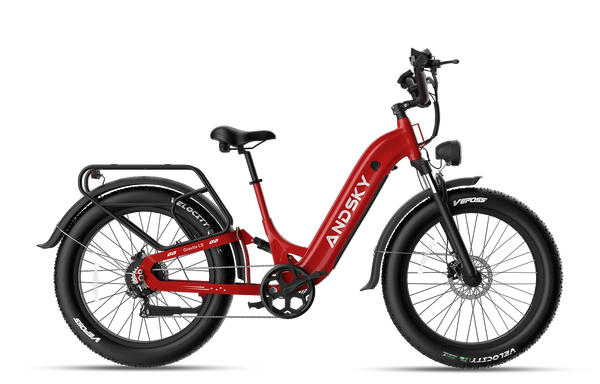
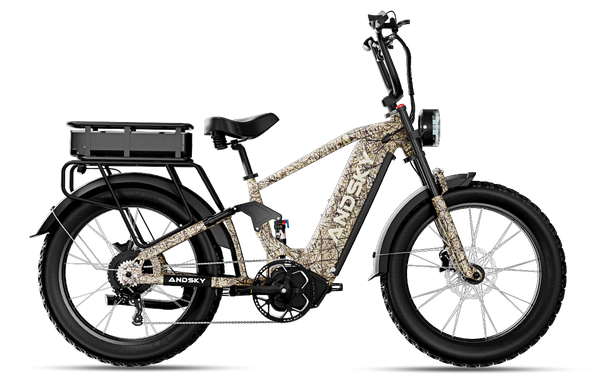
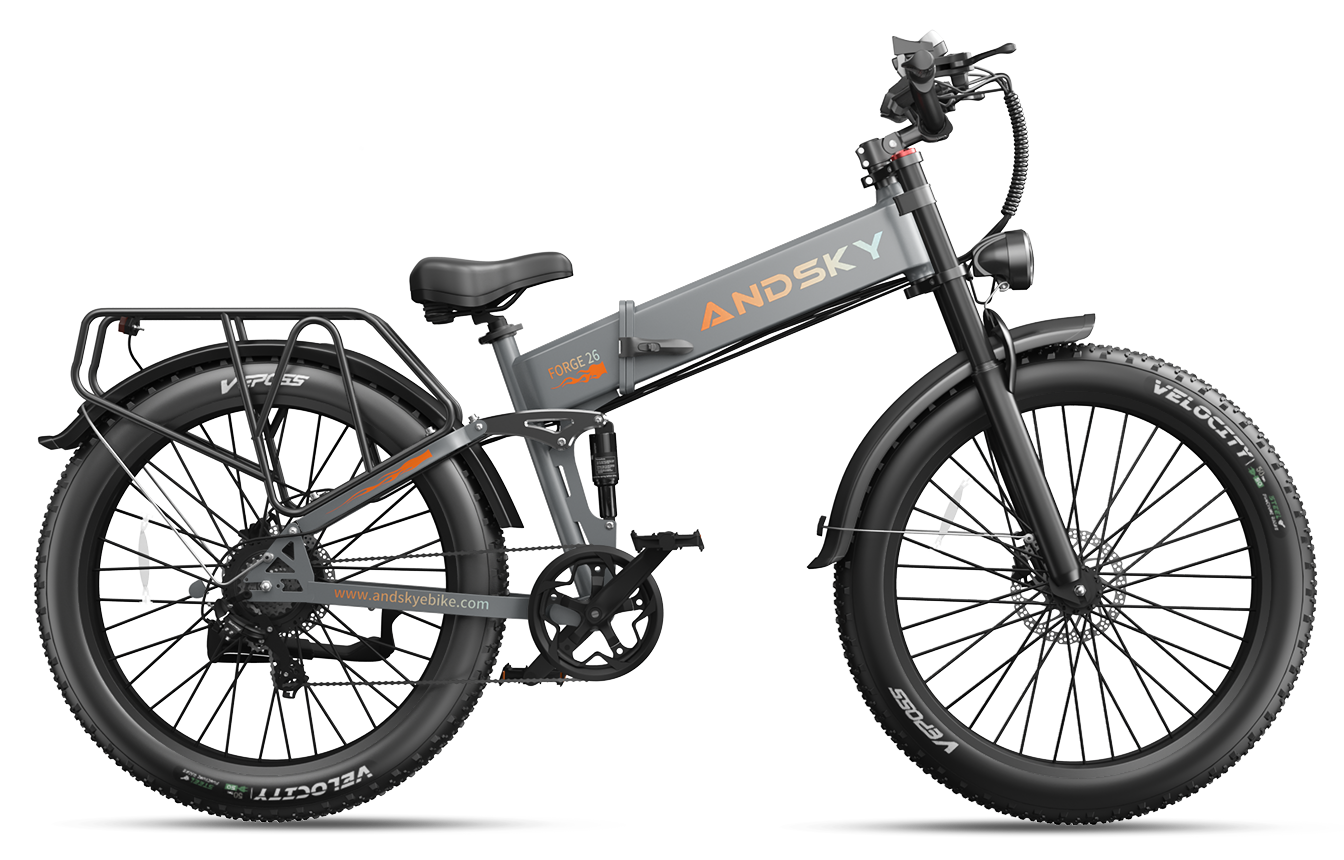
For andskyebike riders, this matters because fat tire e-bikes are often used on mixed routes: city streets, park roads, gravel paths, campground loops, and hilly neighborhoods. This guide explains what actually matters when choosing an electric bike for hills.
Many buyers focus on speed because it is simple to compare. But a bike that goes fast on flat pavement is not automatically good on hills. Climbing depends on how the motor delivers power under load, how much weight the bike carries, how well the tires grip, and how efficiently the rider uses pedal assist.
A hill-climbing e-bike should feel controlled, not just powerful. Sudden power delivery can make loose surfaces harder to manage. Weak power delivery can make hills frustrating. The best setup provides steady support that helps the rider maintain cadence without feeling out of control.
Torque describes pulling force. For hill climbing, torque is often more relevant than top speed. A motor with useful torque can help the bike start from a stop, climb steep sections, and carry riders or cargo with less strain.
This is especially important for commuters who stop at intersections on hills. Starting uphill requires more effort than maintaining speed on flat ground. If the motor feels weak at low speed, hill starts can become stressful.
When comparing e-bikes, look for real-world climbing ability, not only watt numbers. Motor rating, controller tuning, gearing, rider weight, and battery condition all affect the climbing experience.
Hills often come with imperfect surfaces: cracked pavement, gravel, dirt, wet leaves, or loose road shoulders. Traction matters because motor support is useful only if the tire can hold the ground.
Fat tire e-bikes can help by providing a wider contact patch. This can improve confidence on rough or loose climbs, especially when riders are not limited to clean pavement. The wide tire platform also adds comfort, which matters on longer climbs and rough routes.
andskyebike fat tire models are suited for riders who need stability across real-world hill conditions, not just smooth urban roads.
Climbing uses more energy than flat riding. A route with repeated hills can drain the battery faster, especially if the rider uses high assist levels the entire time. Cargo, tire pressure, wind, and rider weight also affect range.
When choosing an e-bike for hilly areas, think about round-trip distance and elevation. A bike may have enough range for a flat 30-mile route but feel very different on a hilly 20-mile route.
Good range planning means keeping a reserve. Do not ride to the lowest battery level if your return route includes climbs.
Electric assist helps, but the rider’s gears still matter. Using the right gear keeps cadence comfortable and reduces strain on the motor and battery. Climbing in too hard a gear can make the motor work inefficiently and make the ride feel awkward.
Shift before the steepest part of the hill when possible. Use lower gears for climbing and higher gears for flat cruising. This habit improves control and may help preserve range.
Every hill has another side. A good hill e-bike needs reliable brakes for descents. E-bikes are heavier than traditional bicycles, and downhill speed can build quickly. Strong brakes, proper tire pressure, and controlled speed are essential.
Before hilly rides, test your brakes at low speed. If the lever feels soft or braking is noisy or inconsistent, inspect the bike before riding. Slow down before turns, gravel patches, wet surfaces, and intersections.
andskyebike is a strong fit for riders who want stability, comfort, and utility on real roads. Fat tires can help with traction and confidence, while electric assist supports climbs that might feel difficult on a traditional bicycle. For commuters, weekend riders, and outdoor users, this balance is practical.
The goal is not to climb every hill at maximum speed. The goal is to make hills manageable, predictable, and less tiring. A well-chosen andskyebike can help riders handle hilly routes without avoiding them.
You should prioritize hill performance if your commute includes steep streets, bridge approaches, rural roads, campground hills, trail access roads, or cargo-heavy errands. It is also important if you carry groceries, work gear, or outdoor supplies.
If your routes are mostly flat, torque may matter less. But for riders in hilly areas, it should be a top buying factor.
This article was selected around buyer-intent keywords including “best e-bike for hills,” “electric bike torque,” “hill climbing e-bike,” “fat tire e-bike,” and “e-bike range.” These are common comparison searches from shoppers evaluating real-world performance, not just speed.
The best e-bike for hills is not simply the fastest bike. It is the bike that delivers steady assist, useful torque, stable traction, enough battery reserve, reliable brakes, and comfortable handling. For riders who deal with real hills, andskyebike’s fat tire approach offers practical climbing confidence and mixed-terrain stability.
Useful torque, proper gearing, enough battery capacity, stable tires, reliable brakes, and good rider technique all matter for hills.
Yes. Torque and power delivery are usually more important than top speed when climbing hills.
Fat tires can improve traction and comfort, especially on rough, loose, or mixed hill surfaces.
Yes. Climbing uses more battery than flat riding, especially with high assist, cargo, wind, or low tire pressure.
Yes. andskyebike fat tire models are practical for riders who want stable electric assist across hills, rough pavement, and mixed terrain.
Stay updated with the latest news and exciting updates from Andskyebike!




Share:
26x4 Fat Tire E-Bike Pressure Guide: How to Tune Comfort, Range, and Grip
Long-Range E-Bike Buyer Guide: When a Dual-Battery Electric Bike Makes Sense